
Top 10 Most Economical Cars
01.10.2024
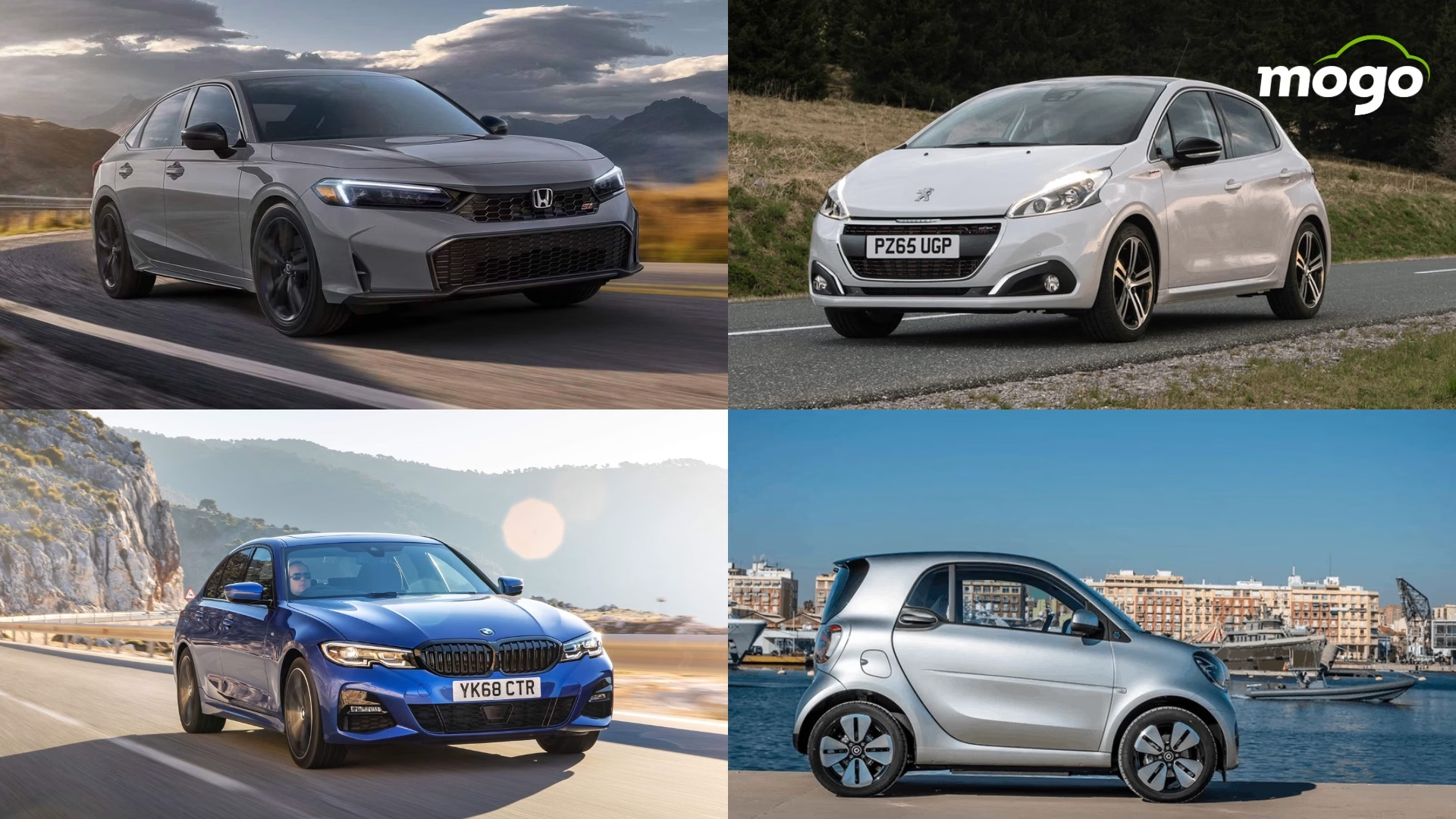
An economical car is a vehicle that consumes less fuel and makes every day travel significantly cheaper. In Georgia, where fuel prices keep climbing and Tbilisi's traffic jams demand extra time and fuel, choosing such a car becomes a real saving for many drivers. That is exactly why we have put together a list of the most economical models - cars equipped with diesel, petrol, and hybrid engines that stand out for their low fuel consumption and practicality.
What determines a car's fuel economy
A car's fuel economy does not depend on fuel consumption alone. Several factors together determine how economically a particular car is in everyday use:
● Engine displacement - a smaller-displacement engine usually consumes less fuel.
● The lighter the car, the less energy it needs to move.
● Hybrid or electric technology - ensures more efficient use of energy and lower fuel costs.
● Transmission type - modern automatic and continuously variable (CVT) gearboxes often improve fuel economy.
● Driving conditions - consumption in city traffic is usually higher than during steady highway cruising.
In other words, when choosing an economical car, it is important to consider this combination of factors, and not just a single indicator.
Comparison of economical cars
Mogo’s team works with auto financing every day, which means we see firsthand which models Georgian buyers choose, how much they cost to maintain, and which ones offer the best long-term value. Based on this experience, we’ve selected 10 models that, in our view, stand out in terms of fuel efficiency, reliability, and availability on the Georgian market.
Before we look at each model individually, the table below lets you compare the cars on the list briefly - by fuel type, approximate consumption, and body style.
The figures are approximate and may vary depending on the specific generation, engine, and driving conditions.
|
Model |
Fuel type |
Average consumption (per 100 km) |
Body type |
|
Honda Civic |
Petrol |
~5–6 L |
Sedan |
|
Toyota Prius C / Aqua |
Hybrid |
~4 L |
Hatchback |
|
Hyundai Ioniq |
Hybrid |
~4 L |
Sedan |
|
Honda Fit Hybrid |
Hybrid |
~4–4.5 L |
Hatchback |
|
Toyota Corolla Hybrid |
Hybrid |
~4–4.5 L |
Sedan / Hatchback |
|
Peugeot 208 |
Petrol / Diesel |
~3–4 L |
Hatchback |
|
Volkswagen Golf |
Diesel |
~3–4 L |
Hatchback |
|
BMW 320d |
Diesel |
~4 L |
Sedan |
|
Suzuki Vitara Hybrid |
Hybrid |
~5–6 L |
Crossover (SUV) |
|
Smart |
Petrol / Diesel |
~2.7–3 L |
Mini |
List of the most economical cars
Each model below is described using the same structure: a short overview, fuel consumption figures, and why the car is economical in real-world conditions.
Honda Civic

One of the most common and reliable cars on the Georgian market; the EK and EG body versions with 1.3- and 1.4-liter engines are especially economical. Fuel consumption in city traffic is at most ~6 liters, while on the highway it drops to roughly 4.7 liters. In real-world conditions its economy is down to the small-displacement engine, the light body, and the 5-speed manual gearbox - and, on top of that, parts are cheap and readily available.
Toyota Prius C / Aqua

A compact hybrid built for the Japanese market, and one of the most popular economical models in Georgia. It consumes about 4.3 liters in the city, while on the highway this figure falls to ~3.7 liters. In real-world conditions it is especially efficient precisely in the city's stop-and-go mode, where the hybrid system recovers energy lost during breaking.
Hyundai Ioniq

A spacious and comfortable hybrid with styling that sets it apart from its competitors. It is content with about 4.1 liters in the city, and 3.8 liters is enough on the highway. Its high fuel economy is the result of an efficient gearbox and an aerodynamic body.
Honda Fit Hybrid

A compact and extremely practical hatchback with a hybrid system, frequently found in Georgia thanks to Japanese imports. The factory figure is 3.7 liters, while in real, mixed conditions it is about 4–4.5 liters. The secret to its efficiency is the HEV system: in the city the electric motor handles moving off and acceleration, while the petrol engine kicks in on the highway in its optimal range -covering more than 1,000 km on a 40-liter tank.
Toyota Corolla Hybrid

A mainstream, reliable, and widely available hybrid, found in both sedan and hatchback body styles. Combined consumption is 4-4.5 liters. Its fuel economy is thanks to Toyota's long-proven, self-charging hybrid powertrain, which shows its strengths especially in the city.
Peugeot 208

A versatile French supermini available in petrol and diesel versions. On the highway it consumes as little as 3.2 liters, and about 3.9 in the city; on a full 41-liter tank it will cover more than 1,000 km. In real-world conditions its economy comes from efficient small-displacement engines and a light body.
Volkswagen Golf

The 7th- and 8th-generation 2.0 TDI (115 hp) version is one of the most economical and practical choices. Its economy peaks at as low as 3.3 liters. This is the result of a modern diesel engine and long gear ratios, which deliver especially low consumption on the highway.
BMW 320d
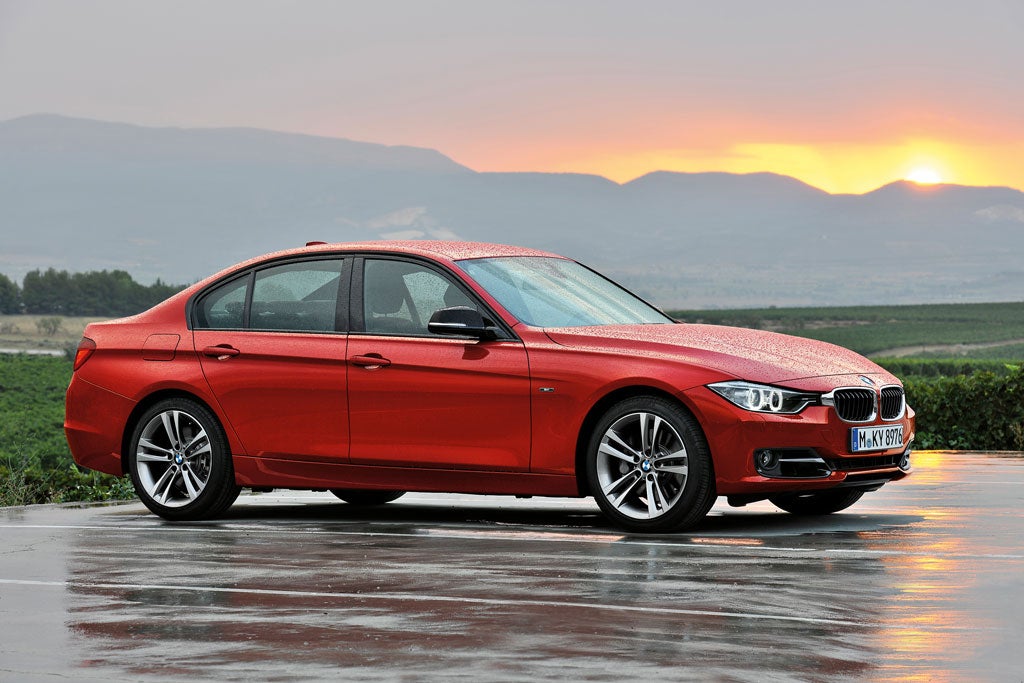
A full-size, comfortable, and solid sedan with the latest diesel engine and transmission. On the highway it consumes 4 liters of diesel. Its advantage is that this low consumption is not achieved at the cost of weak performance - the car is powerful and dynamic.
Suzuki Vitara Hybrid

If you are looking for an economical SUV or crossover, this is one of the best choices on the Georgian market. Thanks to its hybrid system and relatively light body, its consumption is 5-6 liters - a very low figure for an SUV. In real-world conditions it combines high off-road capability with low fuel consumption, which is rare for classic SUVs.
Smart

An ultra-compact city mini available in petrol and diesel (cdi) versions. The diesel model burns only 2.7 liters per 100 km and covers about 1,100 km on a full tank. It has the lowest figure on the list. Its unprecedented economy is the result of minimal weight and a small engine, making it an ideal city car.
Conclusion: an economical car is a sensible, long-term choice
An economical car does not just mean saving on fuel - it simultaneously reduces everyday expenses, protects the environment, and delivers significant financial benefits over time. As modern technology advances, more efficient models are appearing on the market - with diesel, petrol, and hybrid powertrains - allowing every driver to make the right choice tailored to their own needs. A compact hybrid is ideal for everyday city commuting, while a modern diesel stands out for its low consumption during frequent highway driving.
The key is to consider several factors at once when choosing a car - engine displacement, weight, transmission, and driving conditions - rather than just one indicator. A well-chosen economical car will serve you faithfully and affordably for years.
As a reminder, any car can be purchased using Mogo leasing - contact the company and get financing online, quickly and easily.
Frequently Asked Questions (FAQ)
Which is the most economical car in the city?
Hybrids - the Toyota Prius C / Aqua and Honda Fit Hybrid (4 L/100 km), because they recover braking energy in traffic. The lowest figure (2.7 L) belongs to the Smart diesel.
Hybrid or diesel - which is better for fuel economy?
In the city, a hybrid; on the highway, a diesel (e.g., the Golf TDI and BMW 320d - 3.3–4 L).
Which economical cars are available on the Georgian market?
Hybrids - Toyota Prius / Aqua, Honda Fit Hybrid, Toyota Corolla Hybrid, Hyundai Ioniq; diesels - Volkswagen Golf and BMW 320d.
Which is the most economical SUV or crossover?
The Suzuki Vitara Hybrid - 5-6 L/100 km, which is a very low figure for an SUV.
Are a budget car and an economical car the same thing?
No - a budget car is cheap to buy, whereas an economical one saves money in operation.