
How to Extend Brake Life and Reduce Costs
11.02.2026

Proper vehicle maintenance plays a key role in both road safety and long-term financial savings. One of the most critical components is the braking system - a part that endures the highest load daily, especially in city driving conditions. Frequent stop-and-go traffic, congestion, and short trips accelerate brake wear.
With correct maintenance and smart driving habits, however, it is possible to significantly extend the brake lifespan, avoid costly repairs, and maintain the overall value of the vehicle. It is important to remember that brake conditions depend not only on vehicle quality, but also on everyday driving behavior.
Why Brake Maintenance Matters for Everyday Driving
Brakes are one of the most important safety systems in any vehicle. They determine how quickly and reliably a car can stop, especially in emergency situations. Regular brake inspections help detect wear early and prevent minor issues from turning into expensive repairs. Neglected brakes not only increase the risk of accidents, but also overall vehicle maintenance costs and even affect other components, such as fuel efficiency.
What Factors Shorten Brake Life?
Brake wear isn’t only about the car itself, and even with good-quality brakes, wear can happen faster than expected. The biggest reasons are usually driver behavior and the environment - factors like traffic, hills, seasonal changes, etc.

Driving Habits That Increase Brake Wear
- Frequent and aggressive braking. Hard braking generates excess heat and friction, which speeds up the wear of brake pads and discs. Thereby, anticipating traffic flow can help to use the brakes smoothly.
- Following other vehicles too closely. When there is little distance between vehicles, drivers often must brake suddenly and more often. This constant stress on the braking system leads to faster and uneven brake wear.
- Riding the brakes downhill. Keeping pressure on the brake pedal while driving downhill causes continuous friction and overheating. Over time, this significantly reduces brake component lifespan.
- Aggressive driving in traffic. In heavy traffic, frequent acceleration followed by sudden stops quickly accelerates brake wear compared to smoother, more controlled driving.
How City Traffic and Road Conditions Affect Your Brakes
- Stop-and-go traffic. Frequent stopping and starting in city traffic forces drivers to use the brakes more often, which naturally speeds brake wear.
- Hills and slopes. Driving on slopes also puts extra load on the braking system, especially during downhill braking.
- Dust and seasonal moisture. Dust, dirt, and moisture can accumulate brake components and reduce their efficiency. Over time, this exposure may lead to corrosion and uneven wear.
- Post-winter road conditions. After winter, various conditions, such as road debris, moisture, and uneven surfaces, can negatively affect brake components, shortening their lifespan.
Practical Tips to Make Your Brakes Last Longer
- Brake smoothly and anticipate traffic to reduce heat and friction.
- Maintain a safe following distance to avoid sudden braking and reduce constant stress on the brakes.
- Use engine braking when driving downhill to lower heat buildup and take pressure off the braking system.
- Avoid unnecessary vehicle weight that increases braking force.
- Keep tires properly inflated to improve braking efficiency.
- Adapt your driving style to city traffic for smoother movement.
How Often Should You Check and Service Your Brakes?
Regular brake inspections are essential for early detection of wear. It is recommended to check brakes every 10,000-15,000 kilometer or during routine servicing. Drivers should never ignore warning signs such as squealing or grinding noises, vibrations during braking, reduced responsiveness, or dashboard warning lights. Keep in mind that early inspection and maintenance help prevent costly repairs, ensure consistent braking performance, and provide peace of mind on the road.
How Proper Brake Care Helps Reduce Overall Maintenance Costs
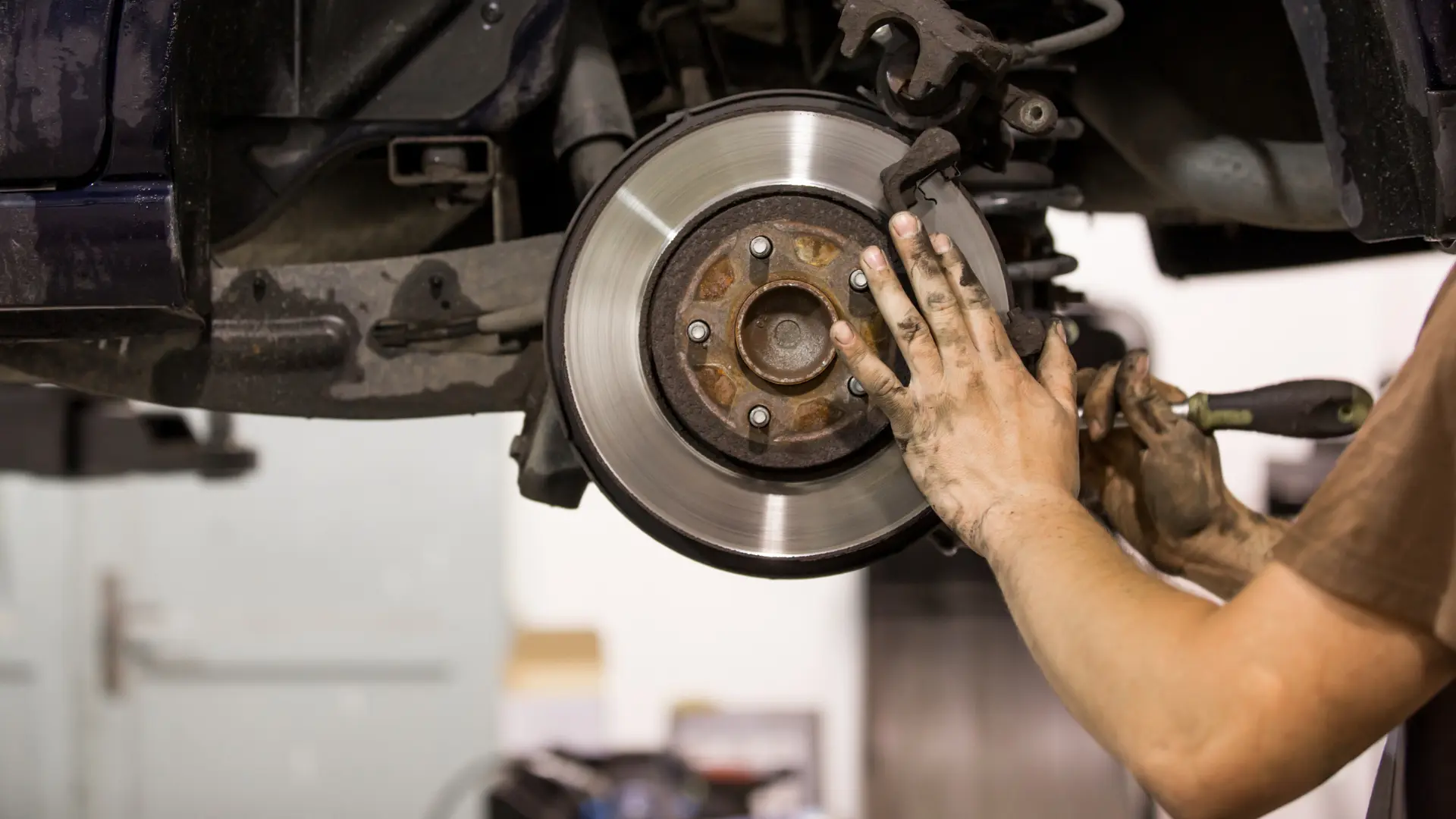
Preventive brake maintenance helps drivers avoid expensive and unexpected repairs. Replacing brake pads on time is significantly cheaper than repairing damaged discs or related components. Regular care also keeps maintenance costs predictable, which is especially important for drivers using car leasing and managing monthly budgets.
For leased vehicles, proper brake care helps ensure smoother contract completion and minimizes additional charges at the end of the lease. A well-maintained braking system also supports better resale or returns value, contributing to long-term financial stability.
Conclusion
Brake maintenance is not just a technical obligation - it is a smart and responsible approach to safety, cost control, and long-term vehicle performance. By adopting smoother driving habits, scheduling regular inspections, and addressing issues early, drivers can significantly extend brake lifespan and reduce overall vehicle expenses.
For those who value safety, transparency, and predictable costs, Mogo offers flexible and reliable vehicle financing and leasing solutions designed to support confident and stress-free driving.
Frequently Asked Questions (FAQ)
How long do brake pads usually last?
On average, brake pads last between 30,000 and 50,000 kilometers, depending on driving habits.
Can driving style really affect brake lifespan?
Yes, smooth and anticipatory driving significantly reduces brake wear.
How often should brakes be checked in city driving?
In city conditions, inspections are recommended every 10,000 - 15,000 kilometers.
Are worn brakes dangerous even if the car still stops?
Yes, worn brakes increase stopping distance and reduce safety.
Does regular maintenance help reduce long-term care costs?
Yes, regular maintenance prevents major failures and lowers overall expenses.